Summary / Verdict
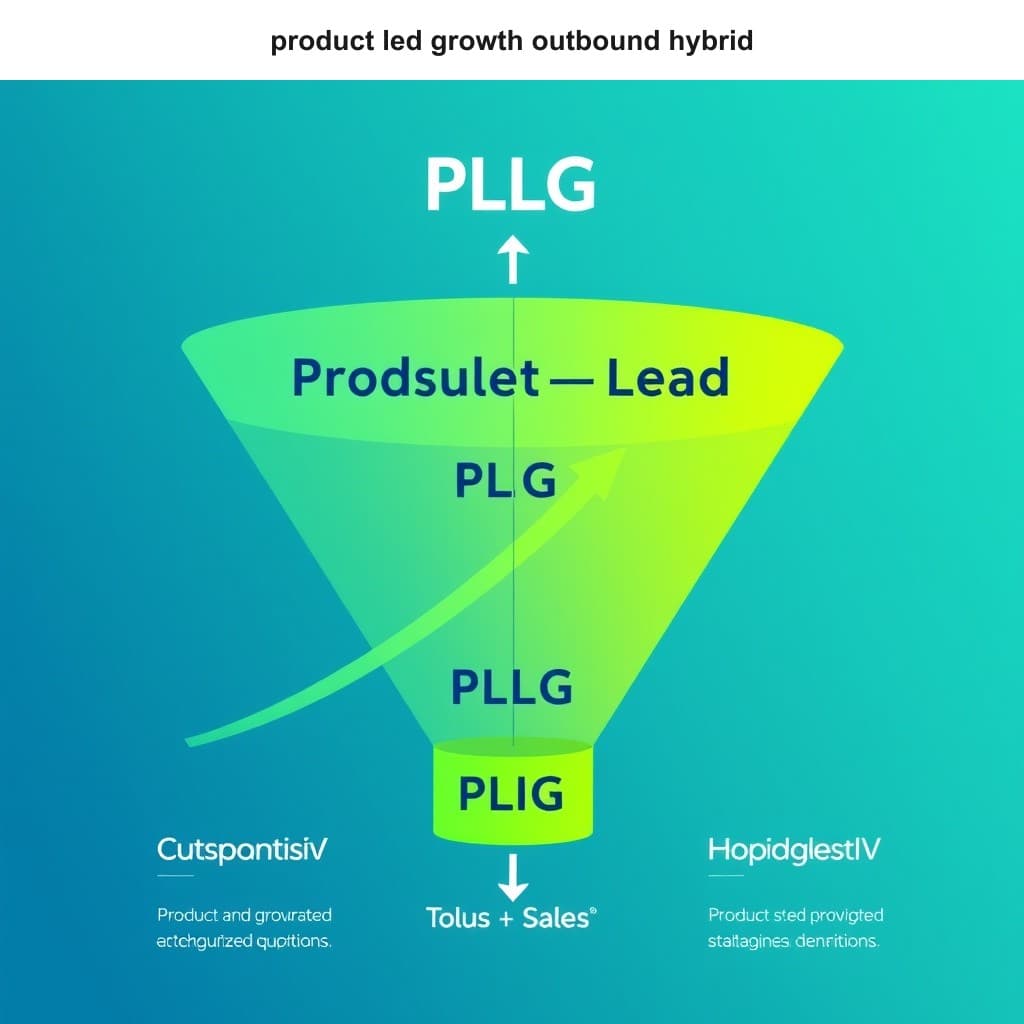
PLG and outbound are complementary, not competing. Learn to use free trial signups as outbound signals and build a hybrid strategy that outperforms either approach alone.
Reviewed against our editorial methodology for search intent, workflow clarity, fit guidance, and internal linking.
A strategy page should improve decision quality, not just activity.
Segment clarity matters more than channel volume.
The best strategic change is usually the one the team can sustain weekly.
Who this is for
This guide is best for B2B teams in SaaS Companies, IT Services that need a clearer operating model around product-led growth and outbound hybrid strategy.
It is especially useful when the buyer, segment, and offer are at least directionally known, but execution is still uneven. This is not ideal if the product is still changing weekly or if the target customer is still uncertain.
Strategic levers
Strategic Lever
Focus on the few changes that move outcomes
Strategy pages should emphasize the workflow levers that change decision quality, segmentation clarity, and downstream pipeline quality the most.
These are the strategic levers that most change quality, focus, and operating speed.
- Define a tighter target before scaling execution.
- Use practical filtering and segmentation logic.
- Map the right stakeholders before launching outreach.
- Review campaign quality with operational discipline.
- Tie activity back to pipeline quality, not vanity metrics.
Pros & Cons
Pros
- Higher conversion rates than either PLG or outbound alone (5-10x for PQL-triggered outreach)
- Lower blended CAC through combined efficiency — 30-50% reduction vs single-channel
- Better data for targeting and personalization from product usage signals
- Scalable from startup to enterprise — works at any stage
Cons
- Requires product analytics infrastructure (Amplitude, Mixpanel, or Heap)
- More complex than single-channel approach — needs careful coordination
- Needs alignment between product, marketing, and sales teams
- Requires different messaging for different PQL types and engagement levels
Resource tradeoffs
Resource Tradeoff
Match strategy to team capacity
Pricing and resourcing matter in strategy content because the best plan is often the one the team can sustain consistently, not the most ambitious one.
Resource tradeoffs matter here because strategy is constrained by time, budget, and team capacity.
The real cost of product-led growth and outbound hybrid strategy is not just software — it is also the operating cost of bad targeting, weak messaging, and slow follow-up. List quality and campaign structure usually matter before expanding the stack.
For teams evaluating tools, start with the free tier or trial period. Validate that the workflow fits your process before committing to an annual plan.
Always validate current pricing and plan limits directly on vendor sites before making a purchase decision.
Problem
Teams often try to solve product-led growth and outbound hybrid strategy with more activity instead of better targeting, cleaner process design, and clearer next-step ownership.
Solution Framework
The practical framework here is straightforward: define the right segment, build a workflow that matches the buyer reality, then inspect the outcome weekly. If you need broader context first, start with the For Startups hub and use this page as the applied execution layer.
Another thing that matters: the best teams make one strong process decision at a time. They do not change targeting, copy, cadence, and qualification all at once. They isolate one constraint, fix it, then review the result.
Strategy Lens
What changes decision quality in this motion
Strategy content should narrow choices. The practical question is which operating lever improves outcomes most: targeting, messaging, process ownership, or review cadence.
Primary lever
Most teams should fix account selection and role relevance before increasing outbound activity.
Constraint to watch
If no one owns qualification and reply handling, strong top-of-funnel work still stalls downstream.
Best outcome
A strategy is working when decisions get simpler and weekly execution gets more consistent.
Internal navigation
- Primary hub: For Startups
- Industry context: SaaS Companies, IT Services
- Methodology: How we review guides
Actionable Steps
Tip Box
Keep the workflow narrow enough to review every week.
Real Business Use Cases
A realistic use of this workflow is not “blast more emails” or “build a bigger list.” It is usually one of these: finding a tighter ICP, making messages more relevant, reducing follow-up confusion, or improving how early opportunities are qualified.
Approach comparison
Strategic Options
Compare operating models, not tactics in isolation
A good strategic comparison helps decide whether to go narrower, go multi-channel, stay founder-led, or systemize with a larger outbound workflow.
This comparison is meant to clarify which strategic approach fits the current stage best.
| Tool / Approach | Best for | Price level | Verdict |
|---|---|---|---|
| Apollo workflow | Founders, agencies, and lean B2B teams | Low to mid | Fastest route to a usable outbound system |
| Manual process | Very small volumes | Low cash, high time cost | Useful for learning, weak for consistency |
| Heavier GTM stack | Mature teams with clear ops ownership | Mid to high | More depth, more operational drag |
What good looks like
Instead of relying on generic vanity metrics, judge this workflow against practical quality signals. If these are improving, the system is usually moving in the right direction.
Narrow ICP
This should become easier to observe week by week if the process is improving.
Fast learning loops
This should become easier to observe week by week if the process is improving.
Small but qualified pipeline
This should become easier to observe week by week if the process is improving.
Recommended Tool
Recommended Tool: Apollo.io - Try Free
Use Apollo to find decision-makers, enrich lead data, and launch outbound sequences from one place.
Try Apollo FreeExecution Tips
Hidden drawbacks
- Startups often copy enterprise sales playbooks before they have enough signal to justify the complexity.
- Most teams underestimate the setup time for product-led growth and outbound hybrid strategy. The first iteration usually takes 2-3x longer than expected.
- A process can look busy and still produce weak sales outcomes if qualification criteria are vague.
- Template-based approaches work best when adapted to your specific buyer profile, not copied verbatim.
When NOT to use this approach
This is not ideal if the product is still changing weekly or if the target customer is still uncertain.
Also pause if no one owns reply handling, list QA, or handoff into pipeline. Outbound gets expensive when execution is fragmented.
Skip this approach if you have not yet validated product-market fit or if your target customer profile is still changing frequently.
Real scenario walkthrough
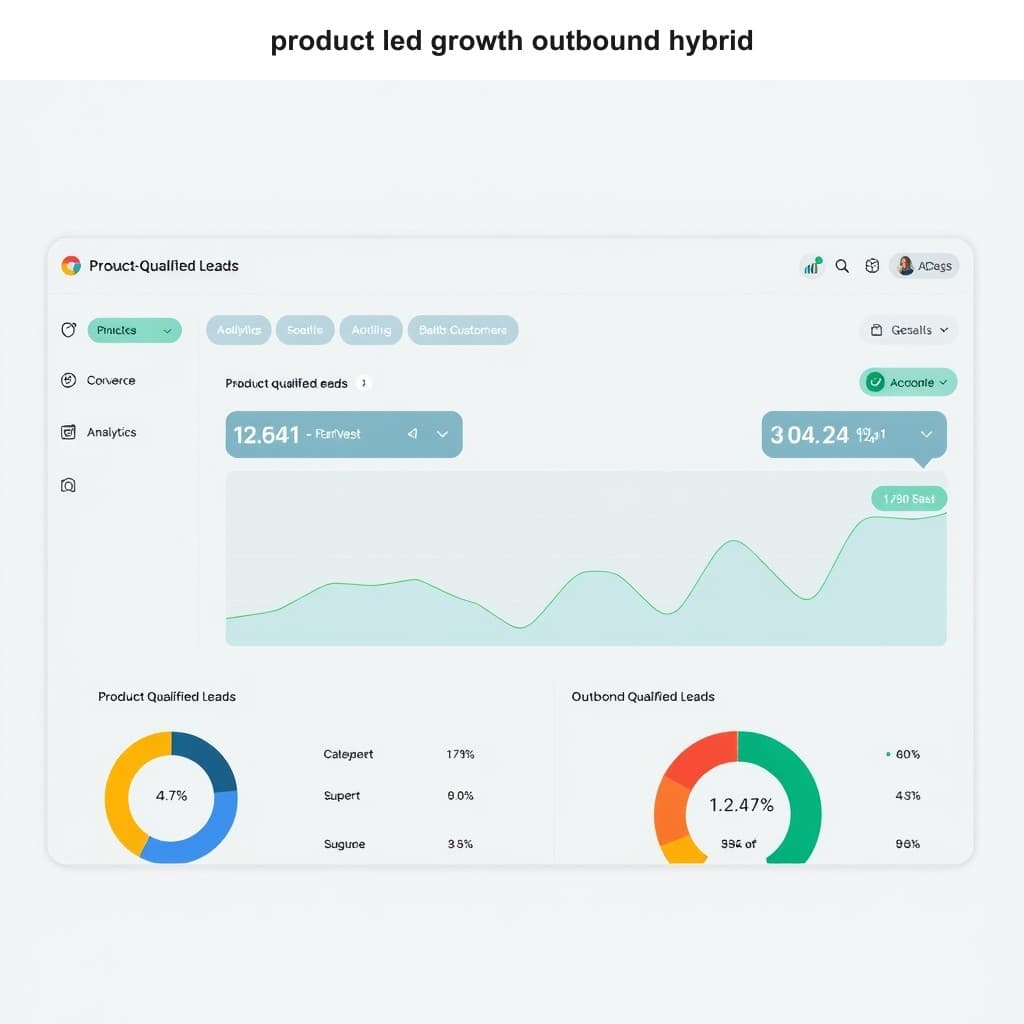
A SaaS company with a free trial uses product analytics to identify PQLs.
They trigger outbound sequences when trial users hit usage thresholds.
Result: PQL-triggered outbound converts at 25% vs 3% for cold outbound.
If you need adjacent playbooks, compare this guide with Find Clients, Outreach, Sales Pipeline, and For Startups.
Execution Logic
How to turn strategy into weekly operating rhythm
Product-Led Growth and Outbound Hybrid Strategy should support a cleaner for startups workflow, not just create more activity.
Execution checklist
Execution Discipline
Turn the strategy into weekly behavior
A strategic checklist is useful when it forces ownership, review cadence, and a smaller number of inspectable changes.
Use this checklist to make sure strategy turns into an executable operating plan.
- Define one segment, one buyer problem, and one clear offer angle for product-led growth and outbound hybrid strategy.
- Review account fit before expanding contact volume.
- Map roles and next-step ownership before launch.
- Write one clear CTA linked to a specific business problem.
- Set up tracking for opens, replies, and meetings booked.
- Review reply quality, meeting quality, and qualification notes weekly.
- Document one process change at a time.
- Use internal links to connect this for startups workflow to the next operational problem.
Alternatives and strategy options
If this exact workflow is not the right fit, move one level up to the broader For Startups hub or compare it against adjacent guides in the same cluster.
For teams in saas companies, consider starting with an industry-specific playbook before applying this general framework.
In larger deal environments, more account-based motion may be a better choice. In earlier-stage teams, a simpler founder-led version may perform better.
Related Guides
- Outbound Sales for Startups
- How to Build a B2B Client Acquisition System
- How to Hire Your First SDR for a Startup
- Startup Outbound Playbook to Win First 20 Customers
- Low-Budget Lead Generation Strategies for Startups
FAQ
Do I need a free trial for PLG + outbound to work?
Not necessarily. Any product engagement can signal PQL status: demo requests, content downloads, calculator usage, or beta signups. The key is identifying product behavior that correlates with purchase intent and using that as an outbound trigger.
How many PQLs do I need to make outbound worthwhile?
Start with as few as 10-20 PQLs per week. Even small volumes of PQL-triggered outbound outperform large volumes of cold outbound. The quality of PQL conversations is so much higher that volume matters less.
Should the same sales team handle PLG and outbound?
Yes, but with different playbooks. PQL conversations are consultative ("How can we help?"). Outbound conversations are interruptive ("Here's why you should care"). Train your team on both motions, but track metrics separately to understand what's working.
Final verdict
The PLG + outbound hybrid is the most efficient growth model for SaaS companies.
Start simple: track PQLs, add outbound sequences, measure the lift vs pure PLG or pure outbound.
Share this guide